
Project strengthens partnership between science and communities in building a sustainable future for the Amazon
The initiative integrates public universities and local populations in actions aimed at territorial development and the appreciation of Amazonian diversity
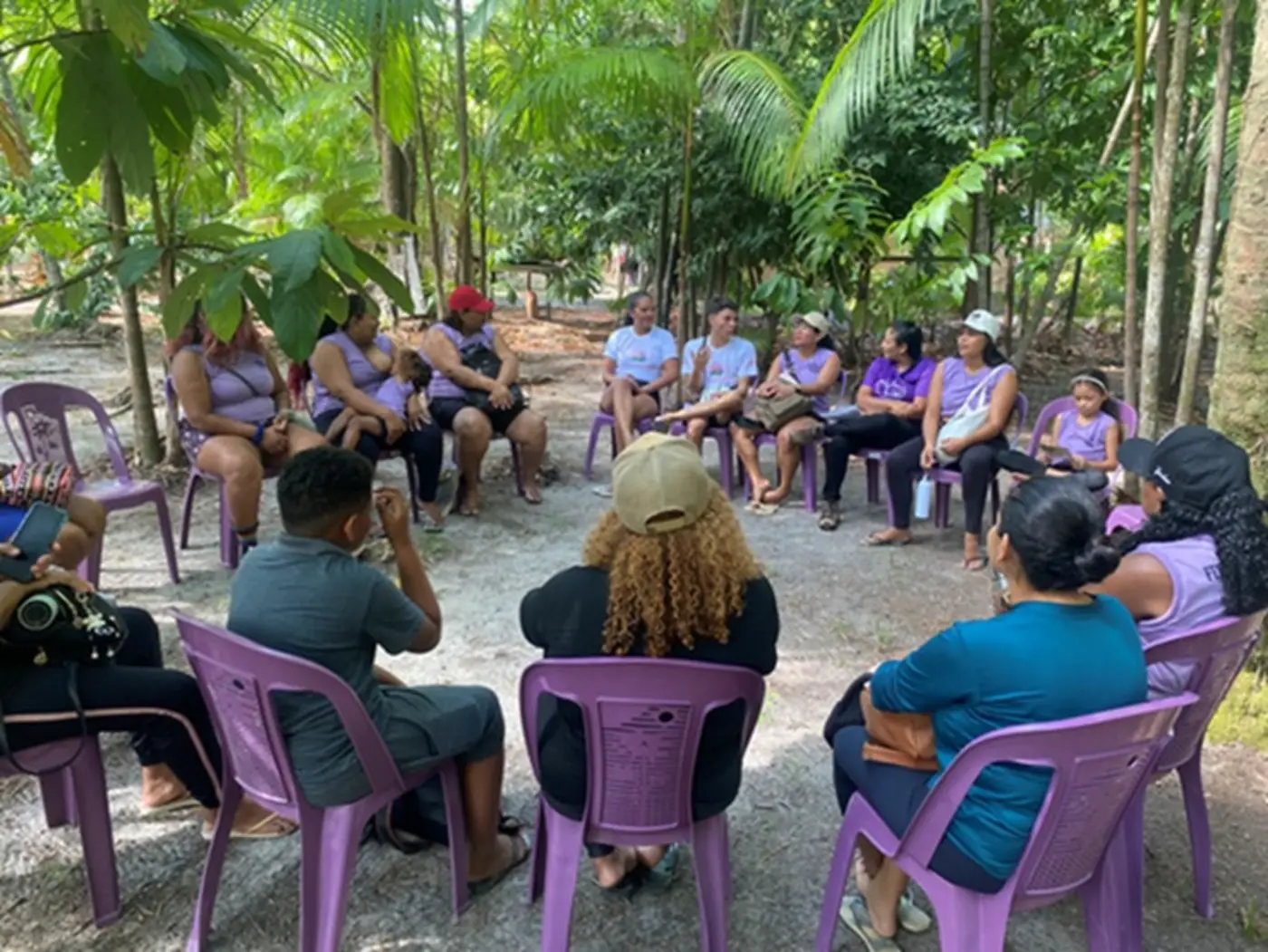
Innovation and sustainable transition, these are the foundations that mark a research project that values and articulates scientific and traditional knowledge in promoting sustainable development and social inclusion in Amazonian territories. Operating in Pará and Maranhão, the initiative brings together educational institutions, researchers, and local communities in valuing knowledge, cultures, and sustainable practices. This is the project Innovation and Sustainable Transition, Basket of Goods and Services in Amazonian Territories.
The execution of the project is supported by the Amazon Foundation for Support to Studies and Research (Fapespa), in conjunction with other state foundations for research support in Brazil. Its central objective is to promote sustainable transitions in Amazonian territories, with an emphasis on Marajó (PA) and Campos and Lagos (MA). To this end, it seeks to identify and value the territories in their environmental, cultural, agro-food, and tourism dimensions, also understanding them as political spaces, whose strength lies in the articulation between natural heritage, social practices, and collective struggles.
The project brings together four universities - the Federal University of Pará (UFPA), the State University of Maranhão (Uema), the Federal University of Santa Catarina (UFSC), and the State University of Maringá (UEM) - in a national and international cooperation network. It involves researchers, students, local organizations, and public institutions in the collective construction of a theoretical-methodological framework based on the Basket of Territorial Goods and Services (CBST).
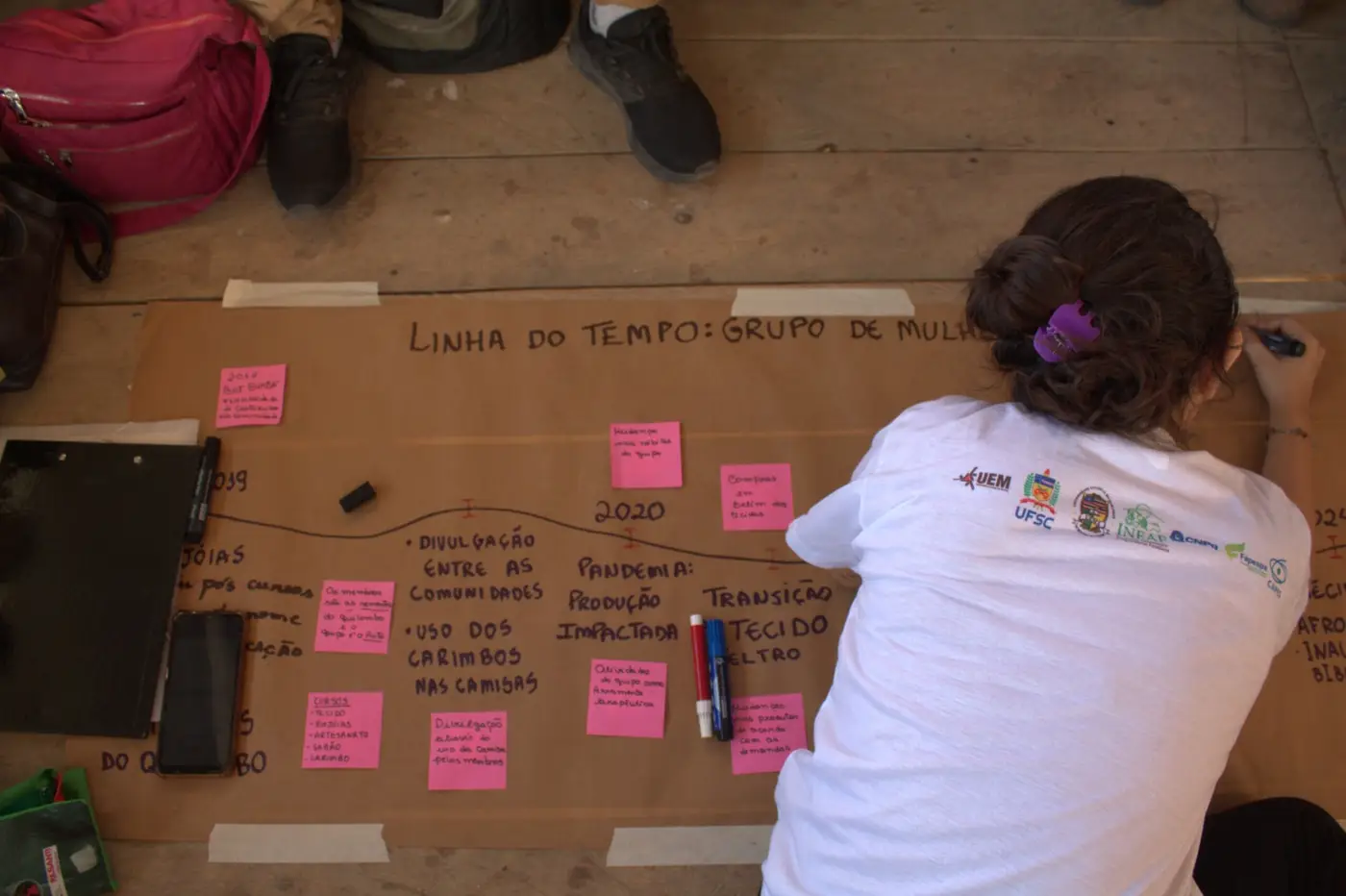
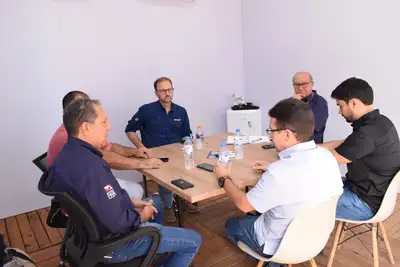
According to the research coordinator in Pará, Professor of the Amazon Institute of Family Agriculture (Ineaf -UFPA), Dr. Monique Medeiros, the activities include theoretical alignment, development of methodological instruments, territorial diagnostics, technical visits, formation of communities of practice, data analysis, and extensive scientific dissemination. And according to her, the development occurs in constant dialogue with subjects from the territories, articulating environmental, cultural, historical, agro-food, and tourism dimensions.
“The support from Fapespa is essential to ensure the execution of the project. These resources enable research scholarships, travel for fieldwork, workshops and seminars, as well as the production and circulation of scientific knowledge. Without this funding, it would not be possible to maintain the team's constant presence in the territories or the exchange between institutions and communities,” explained the researcher.
In Pará, the research actions focus on the Marajó archipelago, more precisely, with quilombola communities in Salvaterra, a municipality located in the northeast of the archipelago, popularly known as Marajó Island. Although often referred to as an “island,” Marajó is a set of islands totaling 49,606 km², encompassing seventeen municipalities, situated at the mouth of the Amazon River.
Official data from IBGE in 2022 indicate that the city of Salvaterra has approximately 24,000 inhabitants. The highlights are the natural beauties and unique environmental dynamics, marked by the alternation of salty waters, under the influence of the Atlantic Ocean between June and November, and fresh waters from December to May. At the same time, it reveals a rich socio-cultural fabric, the result of historical interactions between African, indigenous, and riverside populations.
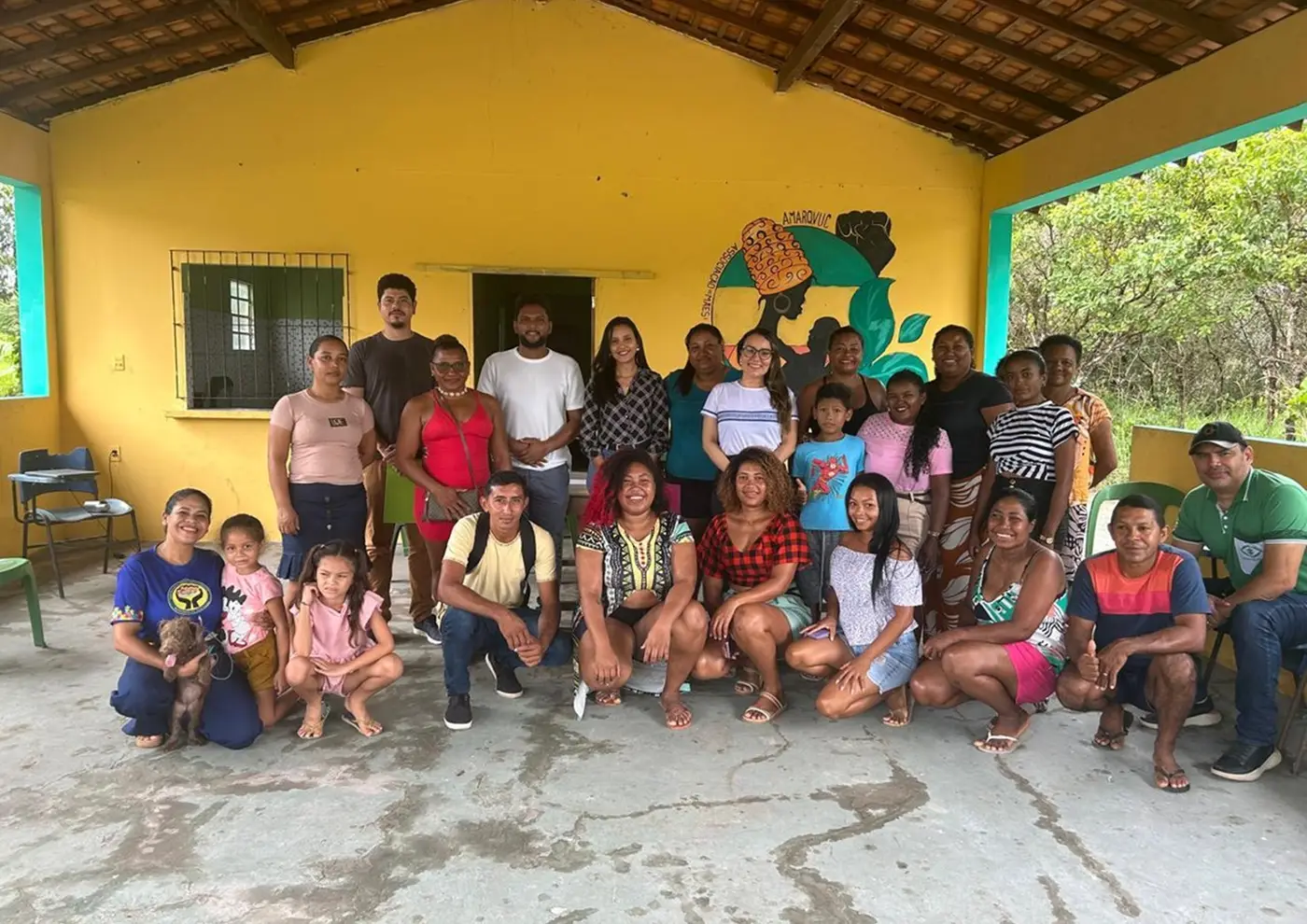
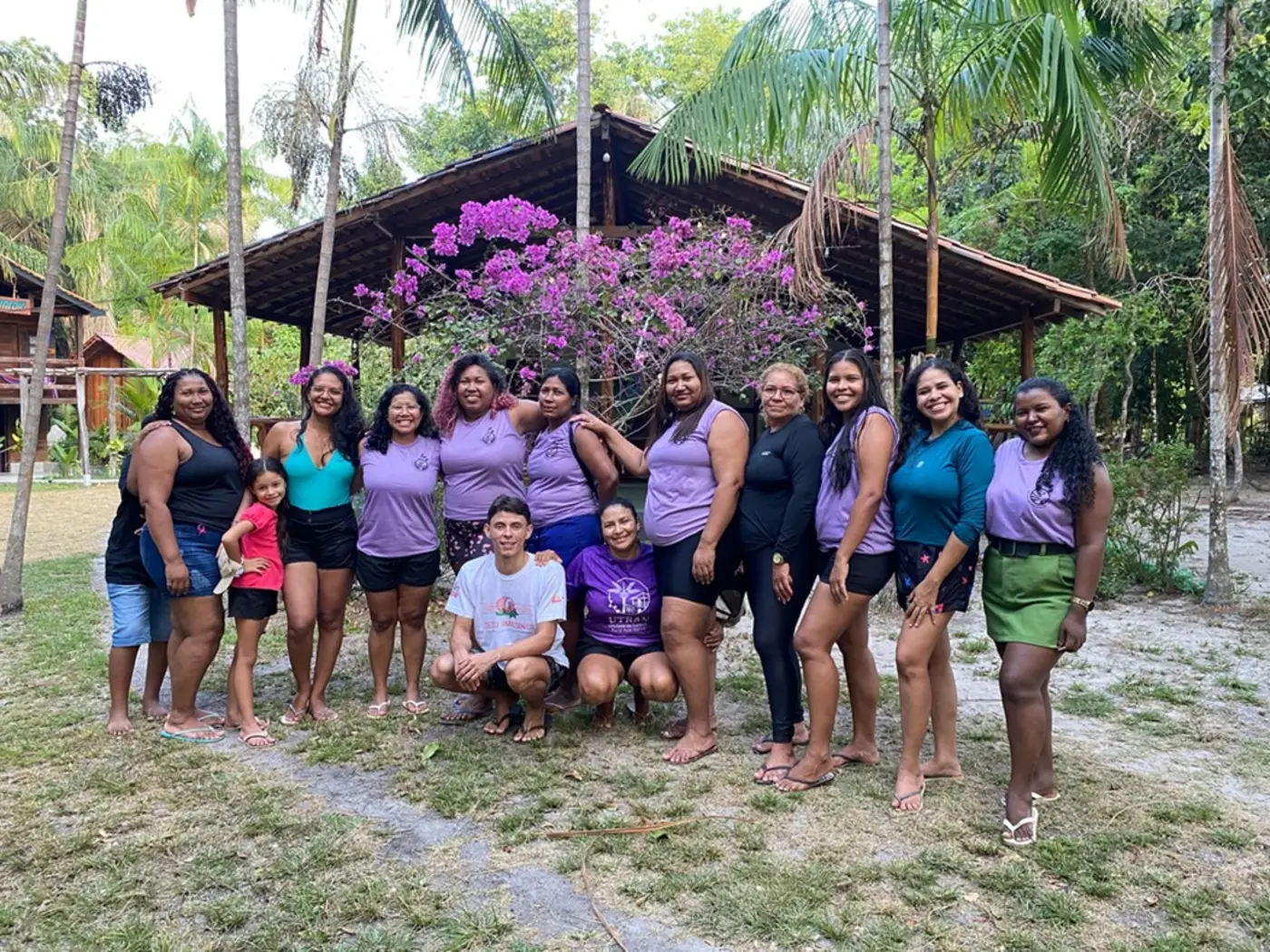
In the municipality of Salvaterra, 18 communities are self-recognized as quilombolas, totaling 30.8% of the local population. The focus of this project is on the self-recognized communities of Mangueiras and Campinas/Vila União, which play an active socio-political role in the municipality. These areas face historical land conflicts, marked by the absence of definitive titling of their territories.
“Historically constituted as spaces of resistance and territorial affirmation, the quilombos continue to be crossed by processes of expropriation and appropriation that, although taking on new contours in the present, express the continuity of colonial logics. Thus, we seek to strengthen the quilombos and value their knowledge and cultural practices, recognizing the centrality of their territorial struggles as a condition for the realization of social, environmental, and epistemic justice in the Amazon,” she says.
Basket of Territorial Goods and Services (CBST) – It is a methodology aimed at territorial development valuing local production, such as typical, cultural, and environmental products, to create income and improve the quality of life in a region, with the aim of promoting sustainable development through different social actors. The CBST approach offers through this project, an analytical lens and a relevant methodological instrument, as it allows understanding the complexity of these territories, valuing their multiple dimensions and supporting the defense of their integrity.
The importance of this CBST-based proposal involves three main dimensions: academic and scientific, which contributes to methodological innovation and the training of students (master's, doctorate, scientific initiation) in different regions of the country. The territorial dimension, which strengthens local initiatives of family agriculture, community tourism, and environmental preservation, valuing identities and cultural heritage. And the social and political dimension, which aims to generate spaces for dialogue between universities, community collectives, and public managers, promoting participatory solutions to Amazonian challenges.
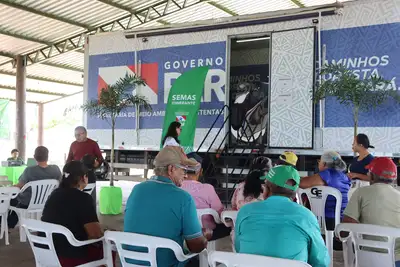
Results - By 2025, important results have already been achieved, highlighting the adaptation of research instruments on CBST to the Amazonian reality; the realization of technical visits in the states of Maranhão, Pará, and Santa Catarina; the holding of seminars, workshops, and training dialogues with broad participation from students and communities in the region. During the research, three editions of the Summer School and Waters were held, with over 14,000 views of video lessons and 436 certified participants.
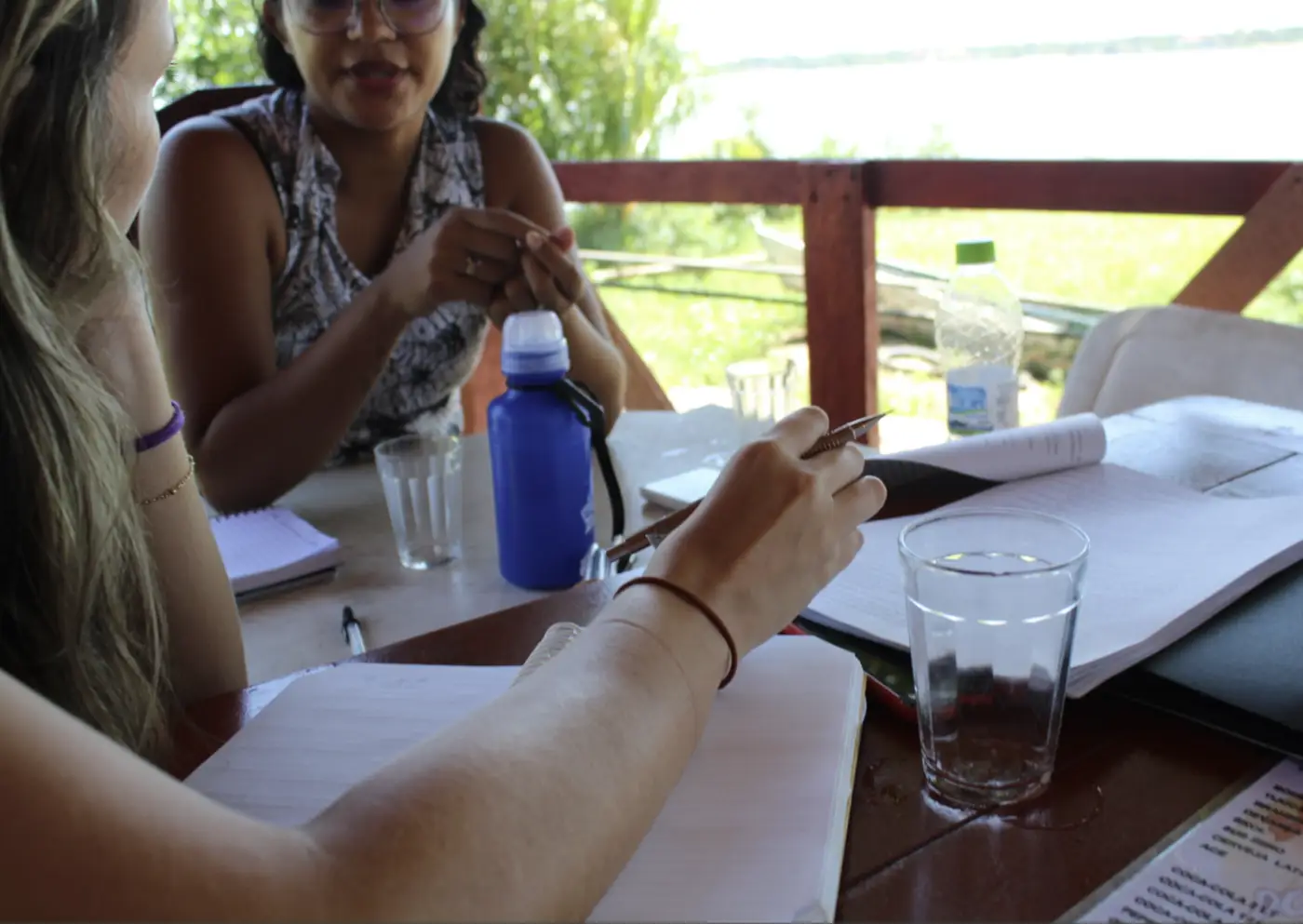
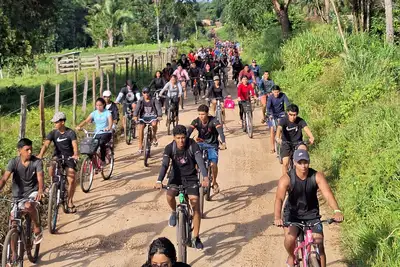
There was also the popularization of research in quilombola and riverside territories, including support for the Quilombola Games of Salvaterra and exchange between local collectives. Additionally, as promising results, there is extensive ongoing Scientific Production of dissertations, theses, articles, and books.
As for expectations for 2026, the consolidation of a quilombola tourist route involving the studied communities in Salvaterra, Pará stands out; the expansion of international cooperation with French institutions; the intensification of field research, with new stages already planned for October 2025 in Pará and the publication of scientific articles and the launch of the book resulting from the project, informs Dr. Monique.
Marcel Botelho, president of Fapespa, emphasizes that “despite all the importance and relevance that has been given to the bioeconomy, very little is still known about this productive matrix. Projects like this, fostered by the Government of the State of Pará, through Fapespa, in partnerships with other States, are fundamental to outline methodological paths, quality scientific information to guide decision-making and ensure the protagonism of traditional populations in the development of this productive matrix, which here in Pará we are advanced and are already thinking of going further with the Amazon Valley.”
*Text by Jeisa Nascimento, intern, under the supervision of Journalist Manuela Oliveira – Ascom/Fapespa