
Curro Velho: 35 years of art and social transformation on the banks of the Guamá River in Belém
The space is a vibrant center for artistic education, a reference for cultural activities and training in the capital of Pará, in the Telégrafo neighborhood
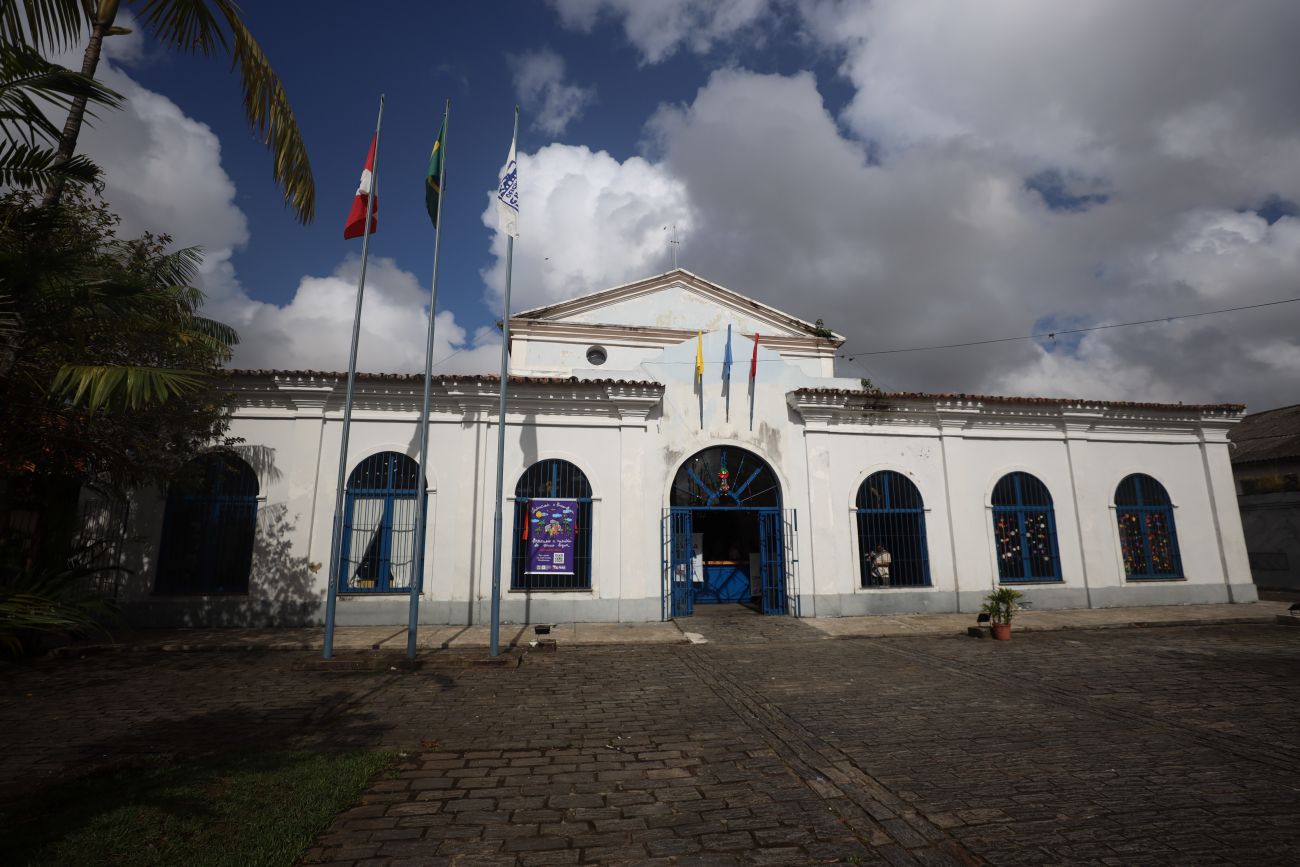
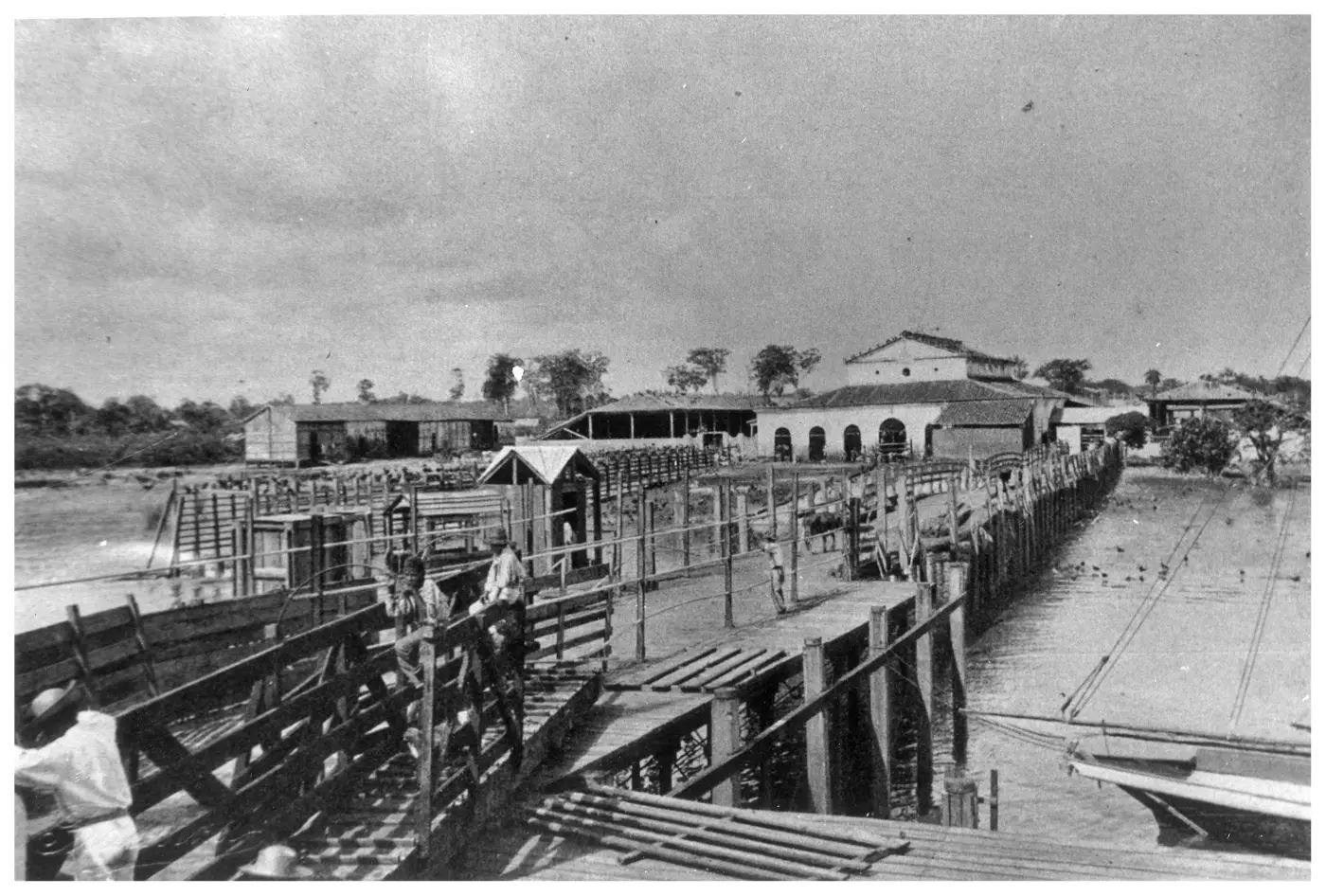
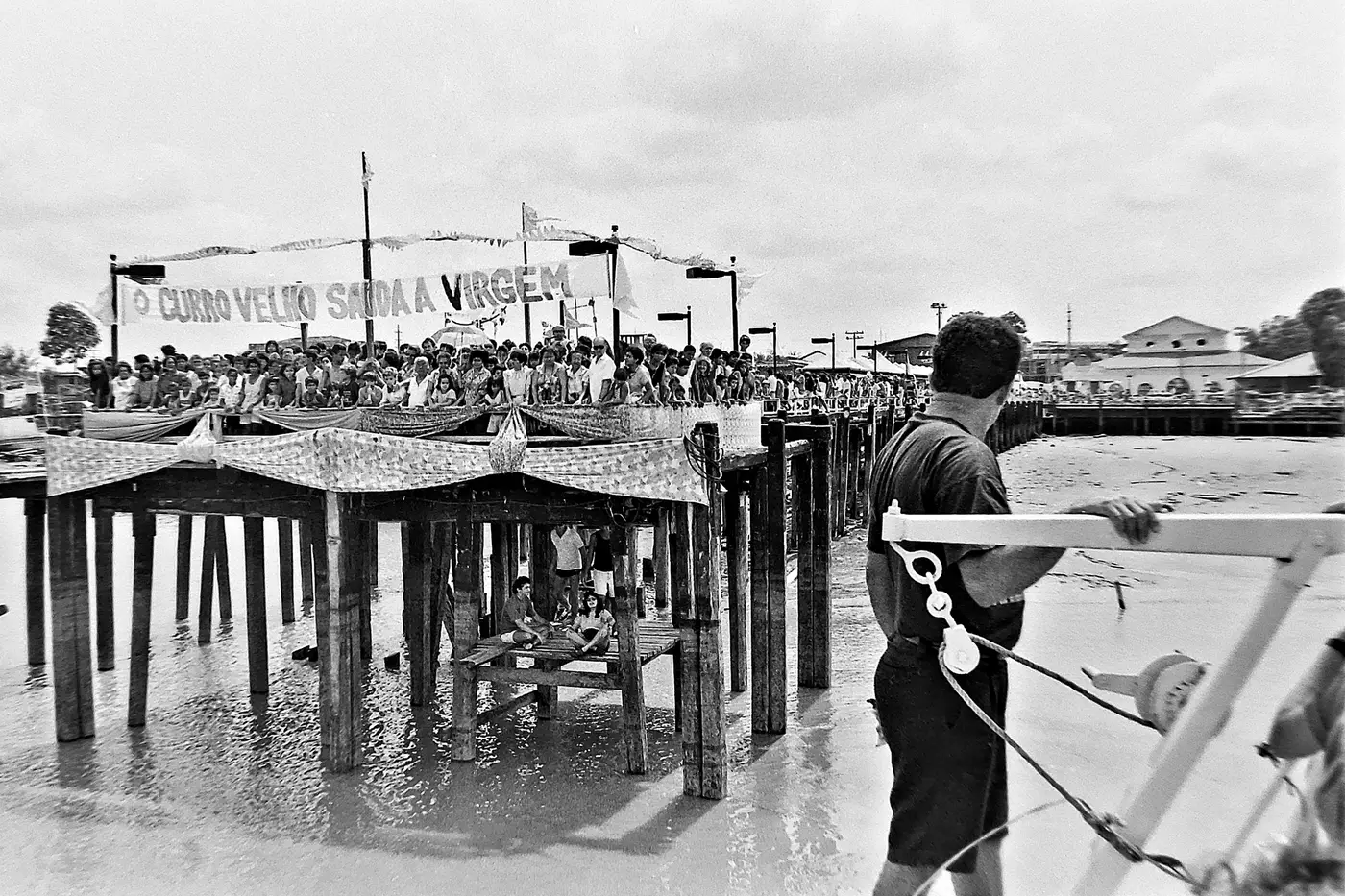
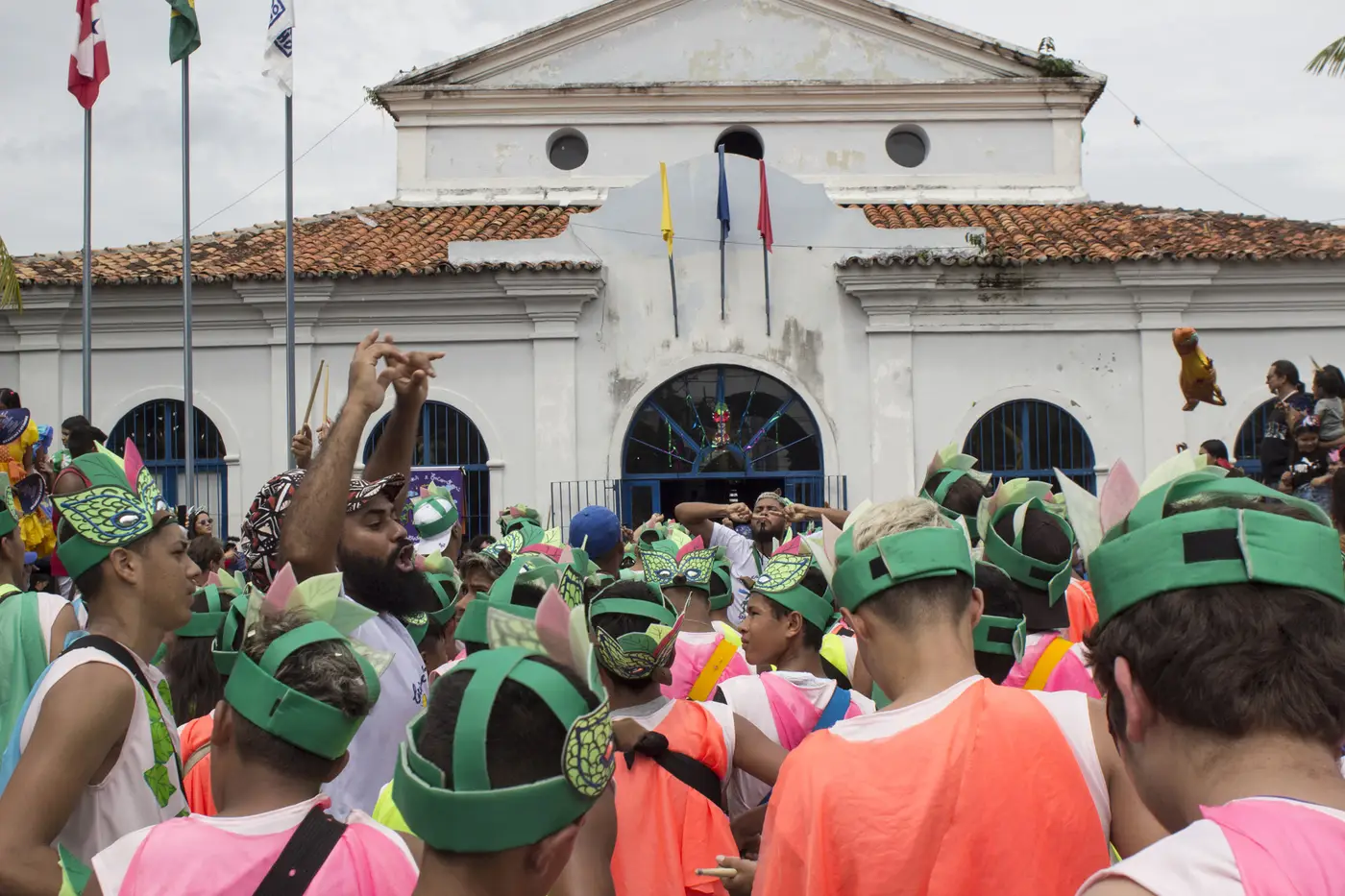
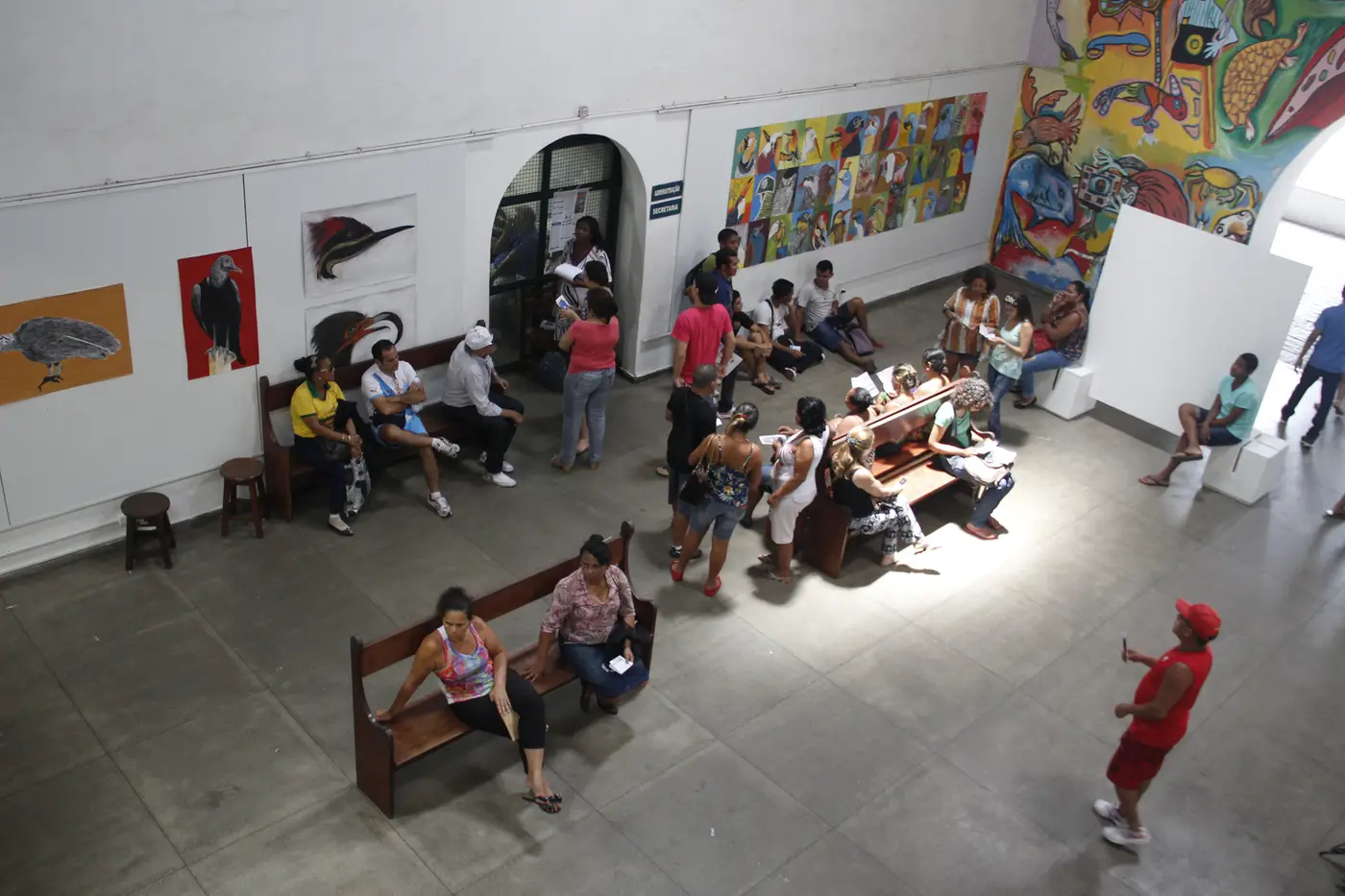
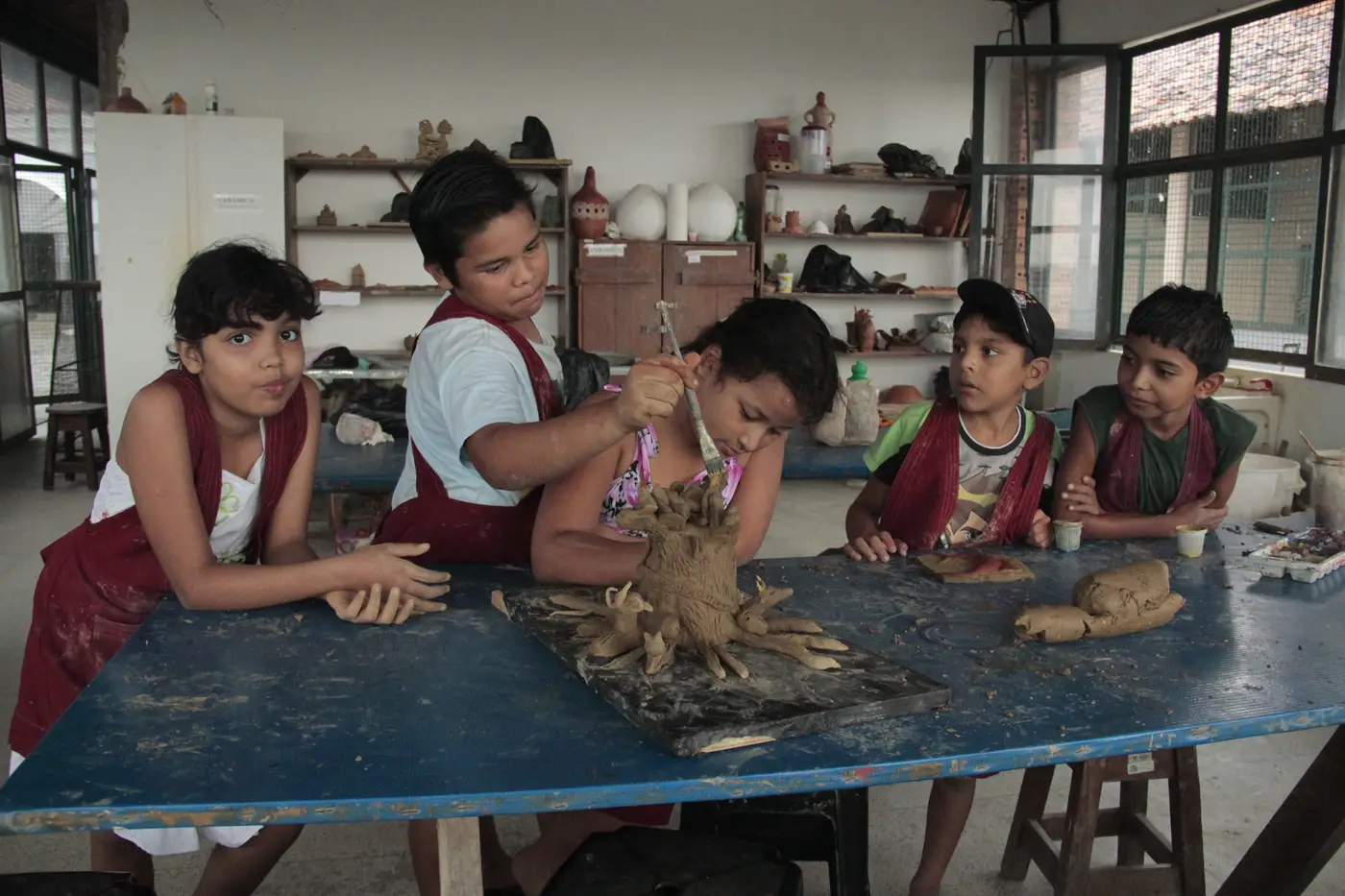
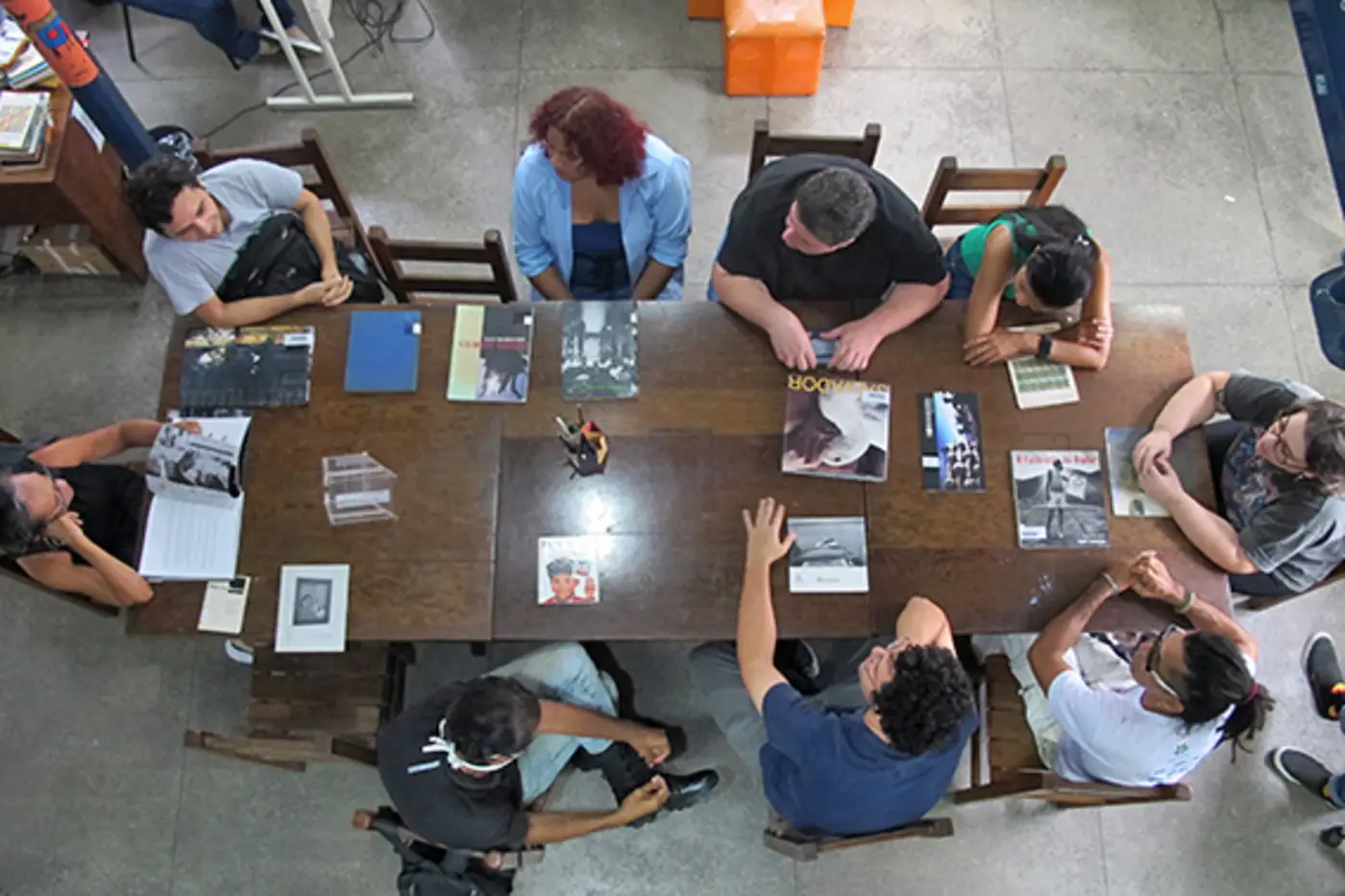
In the heart of the Telégrafo neighborhood in Belém stands the historic building of the Núcleo de Oficinas Curro Velho (NOCV), which at the end of 2025 will celebrate 35 years of existence marked by dedication to culture, education, and, above all, social transformation. What is today a vibrant center for artistic expression and education carries with it an architectural history that dates back to the 19th century, when the building had a unique public function for supplying the capital.
The building where Curro Velho now operates is an architectural landmark of the city, created in 1861. The complex was the first slaughterhouse in Belém, and its name, "Curro Velho," reflects the activities that took place there, becoming over time a reference point for meat distribution to all the butcher shops in the city. As time passed, the slaughterhouse was deactivated, and the building went through a period of inactivity, awaiting a new purpose that could honor its imposing structure and strategic location in the capital.
The great rebirth of the site occurred in the transition of the decade, culminating in 1990, with the official creation of the Fundação Curro Velho (FCV), when the mansion and its annexes were restored and adapted to house workshops and socio-cultural projects. The goal was clear and inspiring: to transform the heritage into a space for artistic education and citizenship for the people of Pará, with a special focus on the surrounding communities.
However, the Fundação Curro Velho was not limited to the building in Telégrafo; another historic building has been part of the FCV since its inception: the Casa da Linguagem, in the Nazaré neighborhood. Located in a historic building constructed in 1870 to be the residence of the family of engineer Francisco Bolonha, the Casa is now part of the landscape of Belém, as part of the set of old buildings still existing around the Praça da República. With the restoration carried out in 1991, the Casa became a reference in the study of the Word and its possibilities in language, as sound, writing, and meaning, transforming, forming, and informing - the word studied as sound, sign, language, and speech.
The institutional trajectory gained a new chapter in 2015 when the State Government implemented an institutional reform that promoted the merger of the state's cultural institutions. Thus, the Fundação Curro Velho and the former Instituto de Artes do Pará (IAP) were integrated into the Fundação Cultural do Pará (FCP), which consolidated its role in the state artistic education policy. Since then, the Fundação Curro Velho has been called the Núcleo de Oficinas Curro Velho.
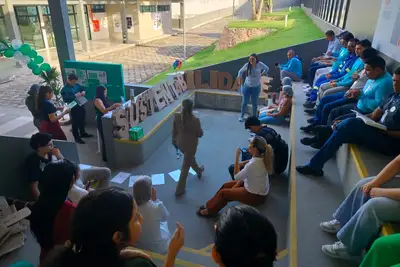
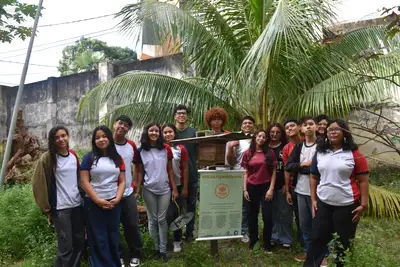
The inspiring legacy of the Núcleo de Oficinas Curro Velho, over these three and a half decades, lies, above all, in the social and educational impact it exerts. The Curro, as it is affectionately called by users and staff, is a beacon for the region, and its dedication intensifies in the work with the residents of the neighboring Vila da Barca.
In the Vila, where art becomes a tool for empowerment, Curro Velho is a support point and an open door to the future. The Núcleo offers hundreds of free spots in introductory and advanced workshops that cover a rich diversity of artistic and cultural languages, such as visual arts (painting, drawing, graffiti), performing arts (theater, dance), music (instruments, choral singing), and crafts and popular culture (maracá, carimbó, toy making), among many others.
Celeste Iglesias, director of the Núcleo de Oficinas Curro Velho, believes that these 35 years are the meeting of the building's imposing past with the effervescent energy of each student. “Curro Velho is more than bricks and workshops; it is a philosophy of life that transforms stories. If the walls witnessed the development of Belém in the past, today they witness the human development of our people, our youth, offering art as the most powerful tool for empowerment and for building a worthy future. This legacy is the engine that drives us, and the reason why Curro Velho remains essential to Pará's culture,” she explains.
The activities offered by the institution go beyond technical education; they are instruments of citizenship. They promote self-esteem, discipline, social interaction, and a sense of belonging. For many participants, artistic education becomes a source of income and professional fulfillment, whether in cultural production or entering higher education.
Thus, Curro Velho establishes itself as a space for meeting and creative effervescence, where historical heritage unites with the transformative power of popular culture and youth. Celebrating its 35 years is to recognize that this place is an essential institution, a true breeding ground for talent that enriches Pará's culture and society. Congratulations to Curro Velho for its history and its invaluable legacy.