
Metropolitan Hospital highlights the importance of preventing Burnout Syndrome
The disease is already addressed as a public health issue in Brazil, which ranks second in the world for cases of Burnout
According to a survey conducted by the National Association of Occupational Medicine (Anamt), about 30% of employed people in Brazil suffer from Burnout Syndrome, which presents symptoms such as physical and mental exhaustion in work-related situations.
Due to the importance of prevention and the significance of discussing it as a public health issue, in early 2025 Brazil included the syndrome in the list of occupational diseases, reinforcing the importance of prevention and addressing it as a public health issue.
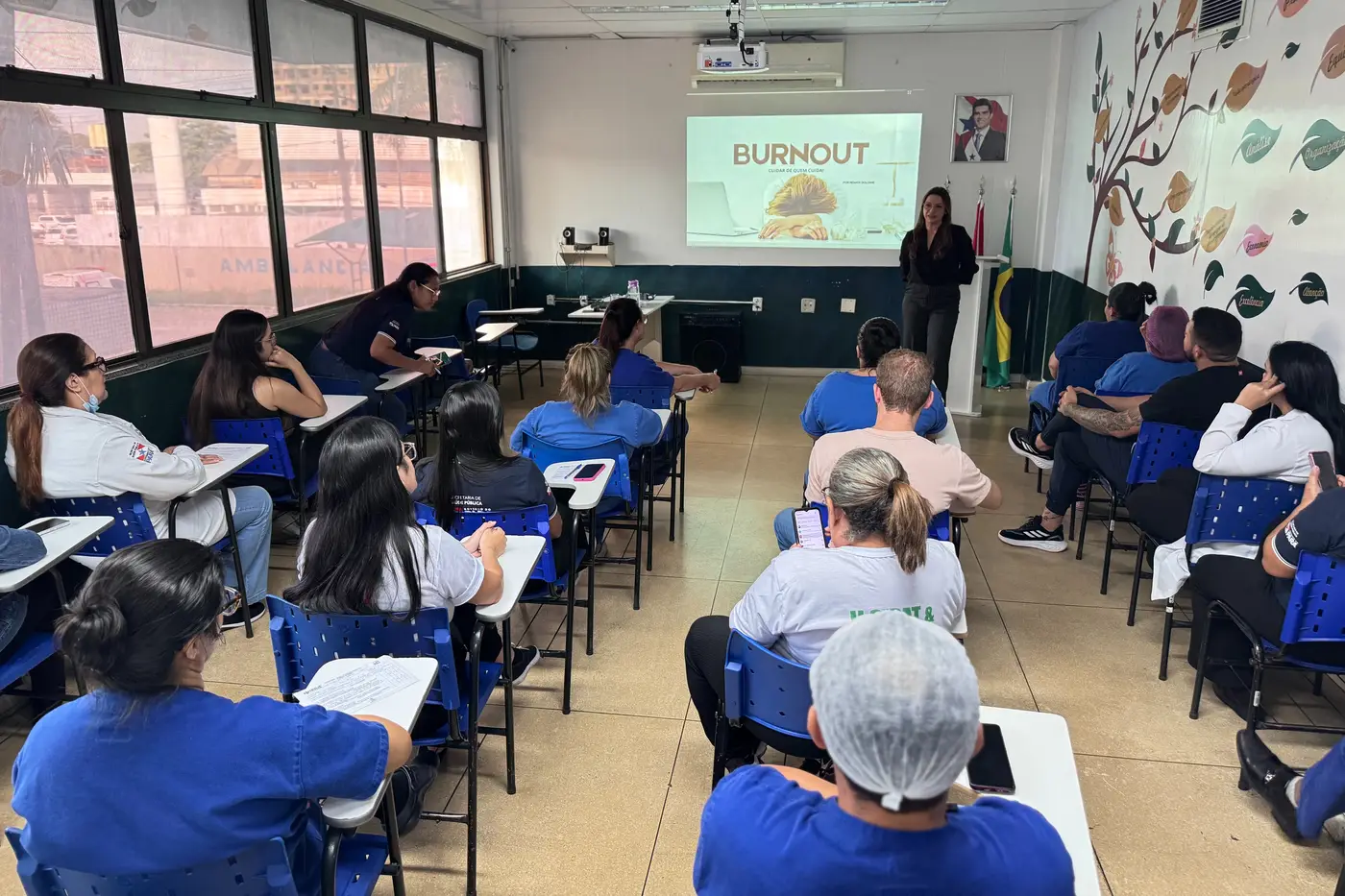
Aware of the need to discuss the topic, the Metropolitan Emergency Hospital (HMUE), located in Ananindeua (Metropolitan Region of Belém), held on this Monday (1st) the lecture "Burnout, caring for those who care," conducted by psychologist Renata Dolzane.
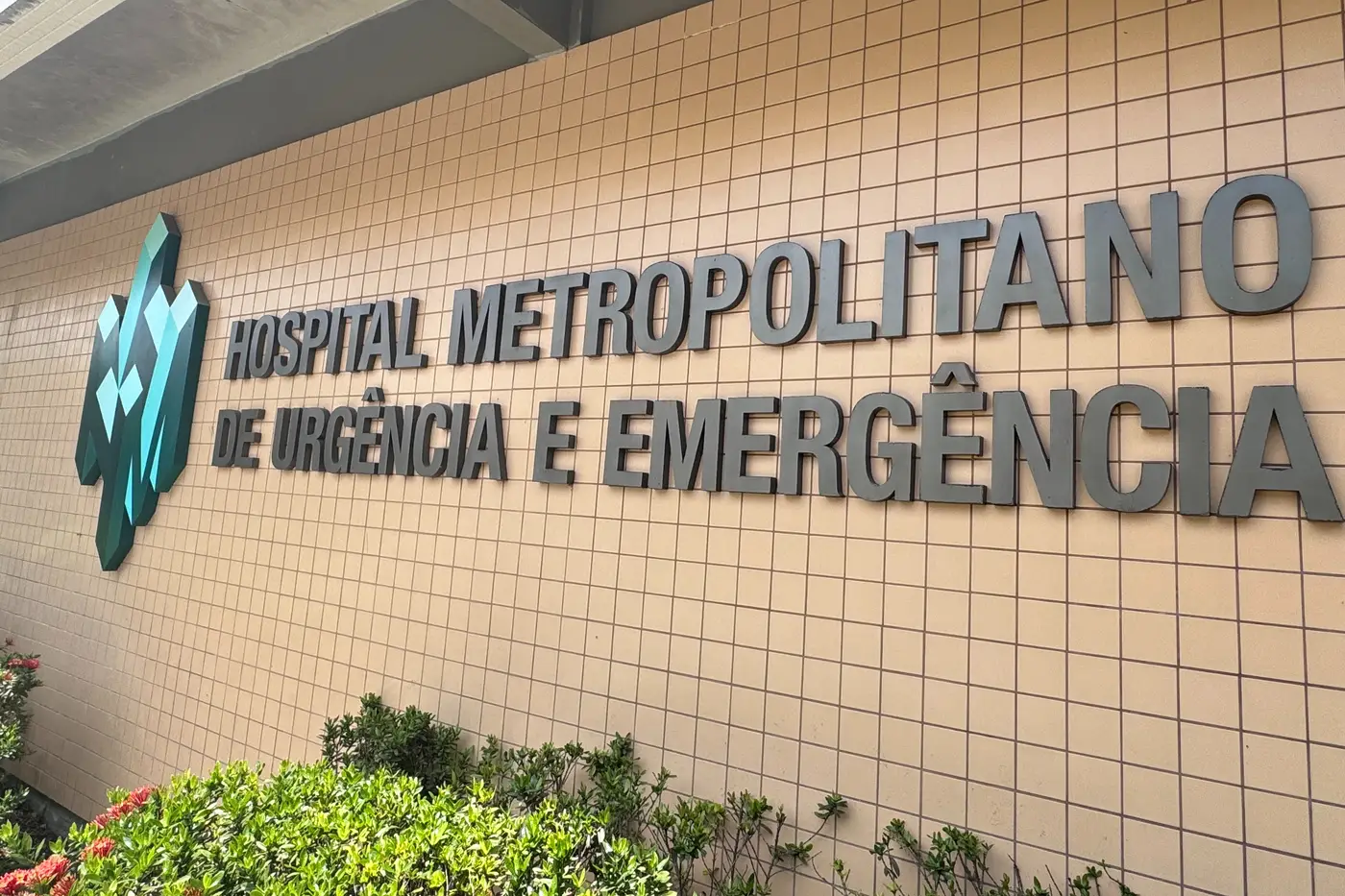
The action was part of the Internal Week for the Prevention of Work Accidents (Sipat) and the Internal Week for the Prevention of Incidents with Electrical Installations (Sipicie) 2025, reinforcing the unit's commitment, which belongs to the public health network of the Government of Pará, to the well-being of professionals.
Welcoming environment - During the lecture, the specialist addressed the main warning signs of the syndrome, the factors that contribute to its development, and practical prevention strategies in the workplace. "Preventing Burnout starts when we learn to recognize our limits and build a healthier relationship with our routine. Investing in self-care and in a welcoming organizational environment is essential to preserve mental health," highlighted the psychologist.
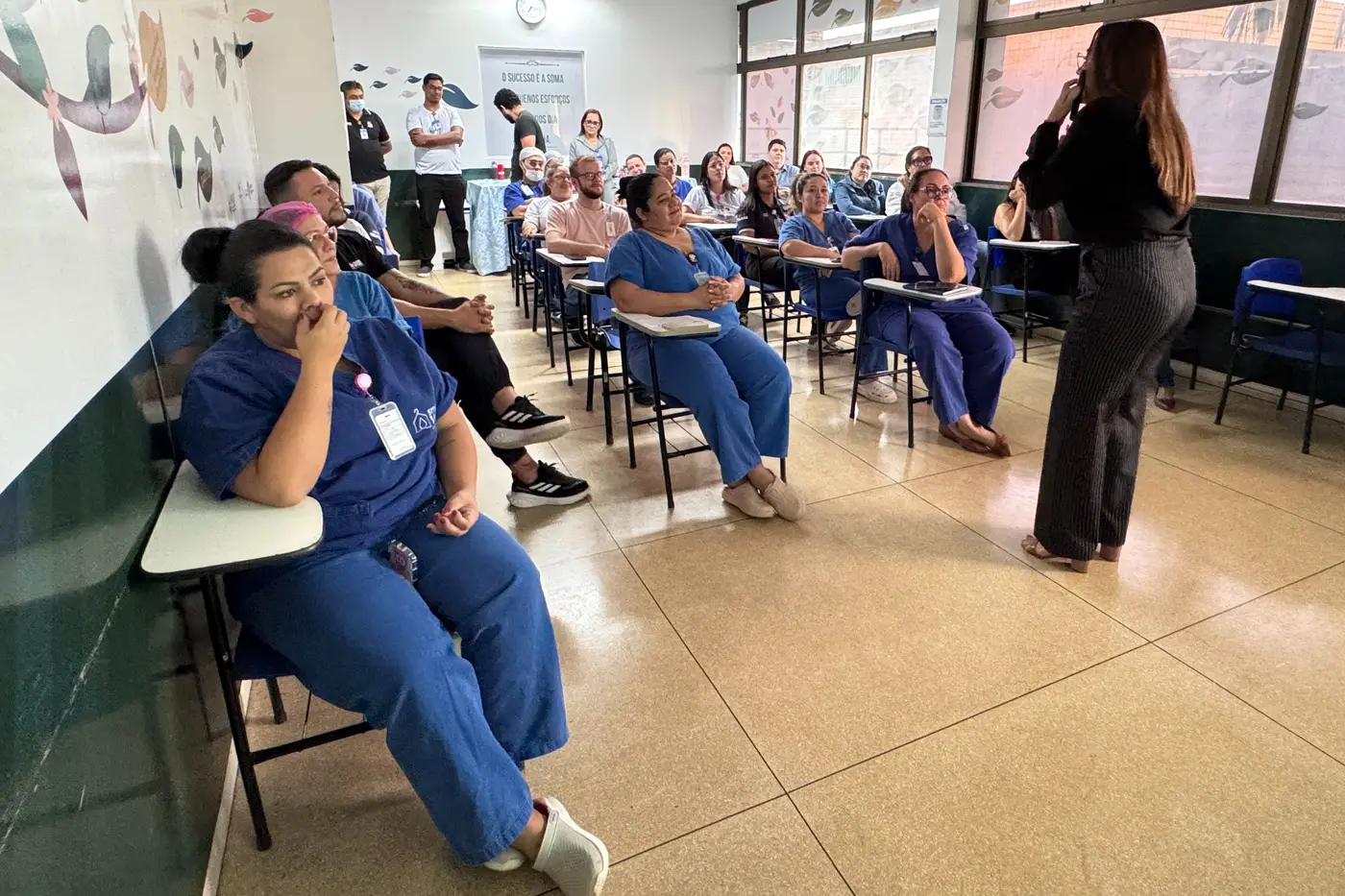
The meeting brought together professionals from different areas of HMUE, who were able to share perceptions and reflect on their daily challenges. For administrative assistant Joyciane Nascimento, moments like this strengthen the culture of care within the unit. "These dialogues are very important. We feel heard, guided, and more prepared to deal with the pressures of everyday life. It’s good to know that the Hospital cares about our well-being," said Joyciane.
Prevention:
- Establish healthy boundaries: set clear work and rest hours, avoiding excessive hours;
- Take regular breaks: short breaks throughout the day help reduce mental and physical overload;
- Organize and prioritize tasks: plan activities, avoiding accumulation and reducing the feeling of constant urgency;
- Cultivate healthy habits: maintain a balanced diet, regular physical activity, and quality sleep;
- Share demands and difficulties: talk to colleagues, managers, or health professionals when feeling signs of exhaustion;
- Practice emotional self-care: techniques such as meditation, guided breathing, and therapy help manage stress, and
- Seek healthy work environments: encouraging dialogue, support among teams, and empathetic leadership reduce the risks of illness.