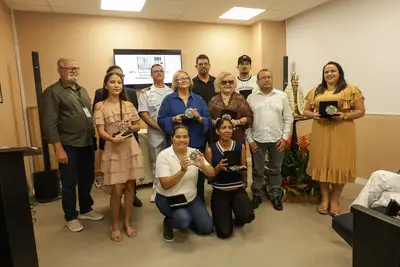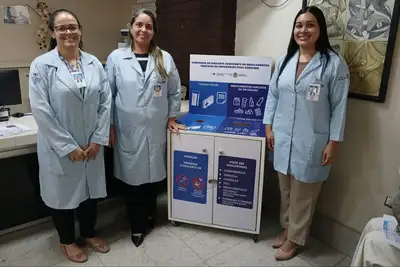

Ophir Loyola Hospital offers care and self-esteem actions for cancer patients
Donation of wigs, support, and activities that promote well-being help women face cancer with more confidence and determination
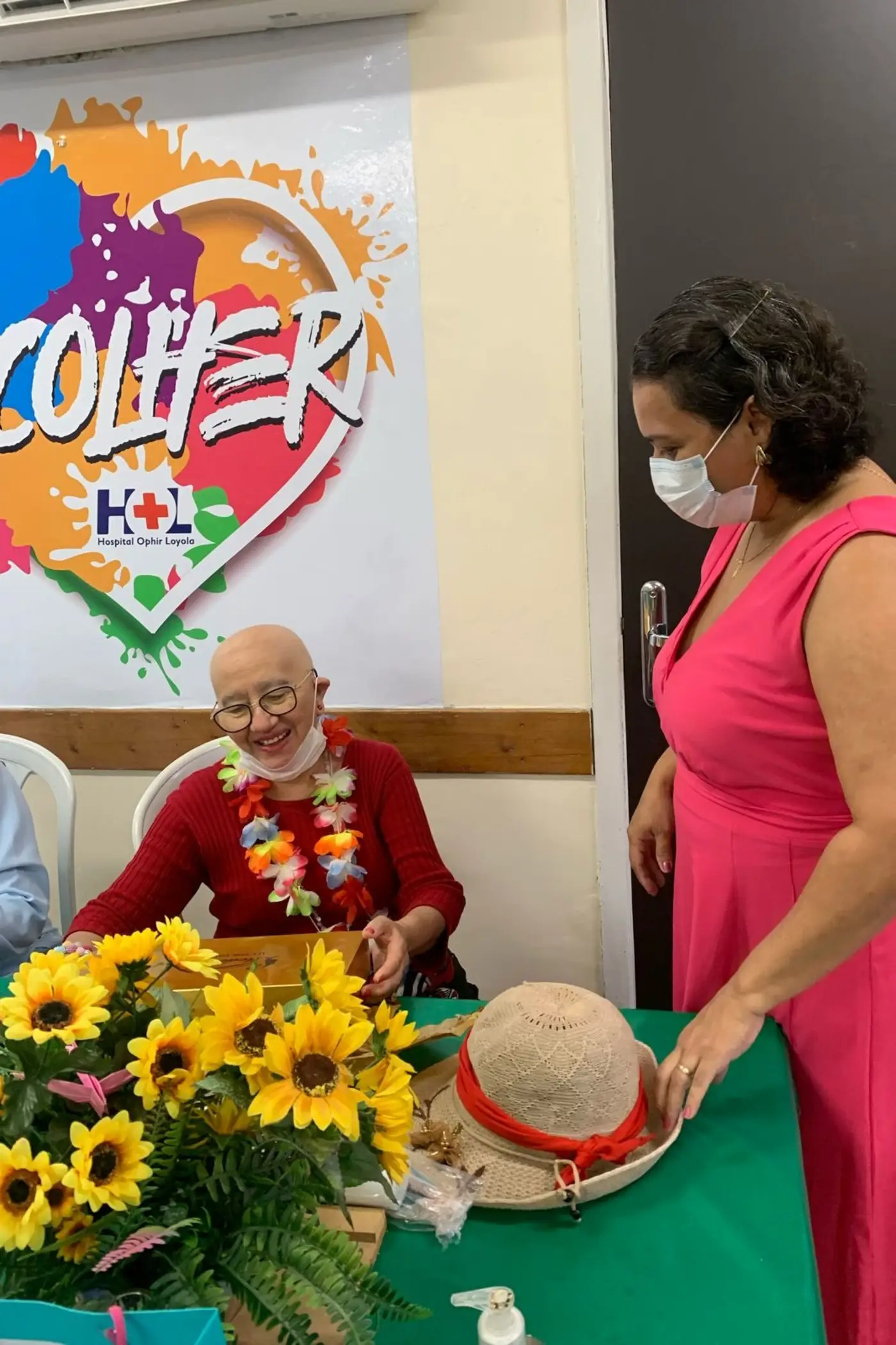
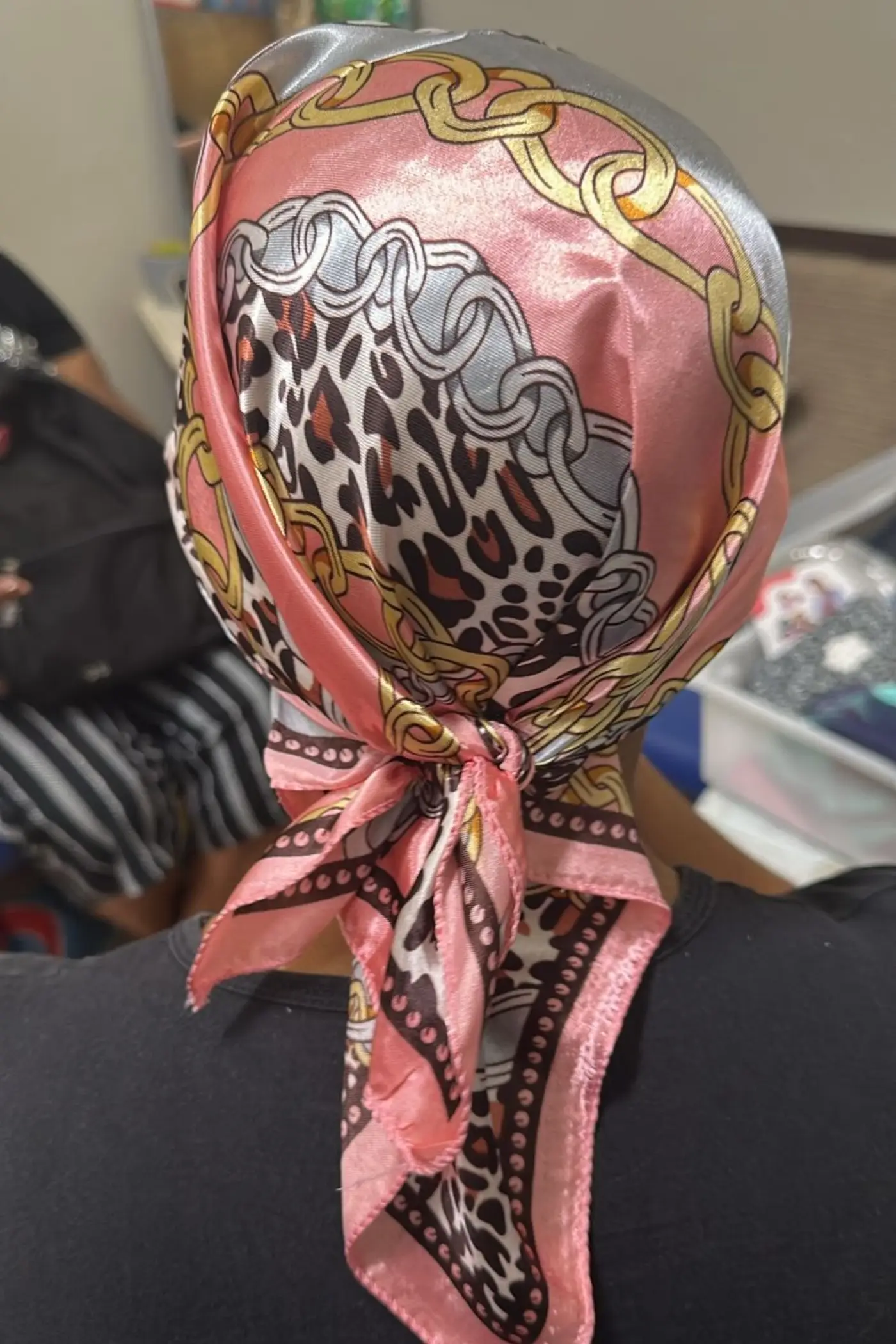
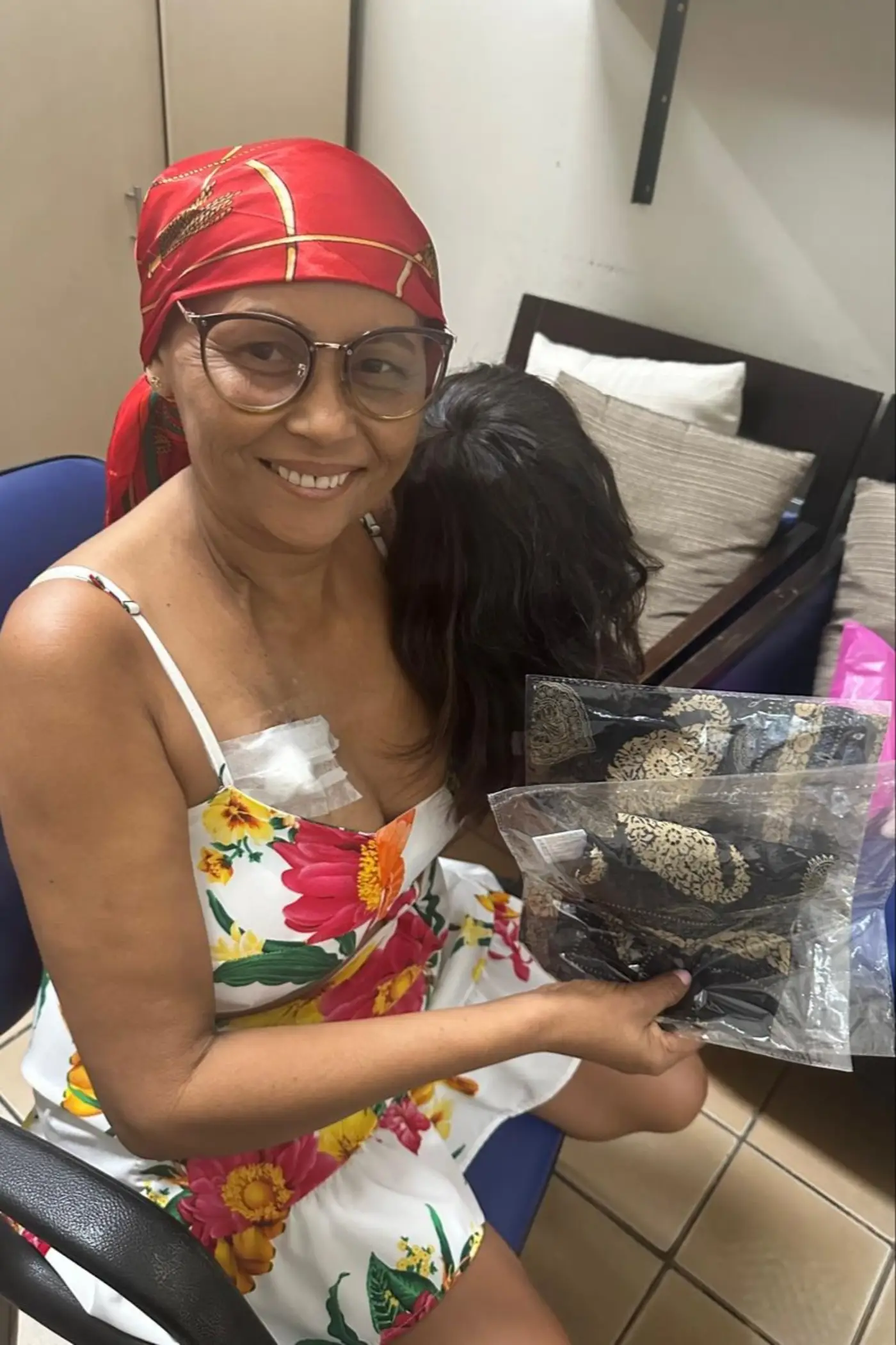
On International Women's Day - March 8, Ophir Loyola Hospital highlights humanization actions that help strengthen the self-esteem of women undergoing cancer treatment. Initiatives such as wig donations and the distribution of scarves and hats, in addition to support and well-being activities, contribute to patients facing treatment with more confidence and dignity.
The initiatives, which are part of the hospital environment's routine, help to minimize the emotional impacts caused by the physical changes resulting from the disease and therapies.
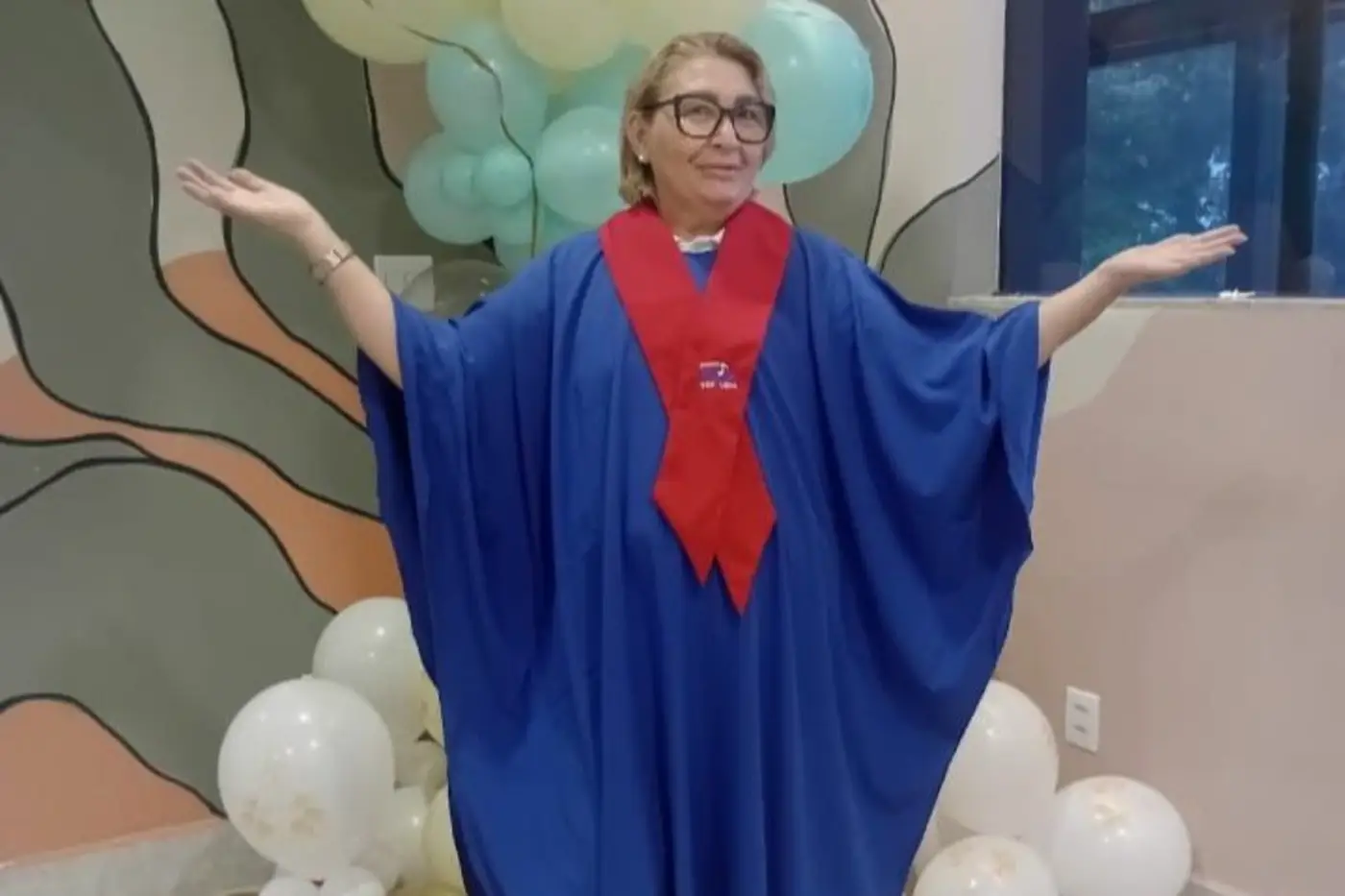
In treatment for breast cancer, patient Silvana Vasconcelos, 55, highlights that, "during treatment, our self-esteem drops a lot and we become more sensitive. At the hospital, we have always had actions focused on self-care. Humanization offers wigs, scarves, and hats, and that helps a lot. In my case, I lost one breast and was very shaken, struggling to accept myself. This care makes a big difference, not just for me, but for many patients going through the same process."
According to her, who is part of the choir Voz e Vida, the support offered by the team also helps to face the challenges of treatment with more strength. "Even though Women's Month brings more visibility to these actions, this care happens throughout the year, and it helps a lot for those undergoing treatment," she states.
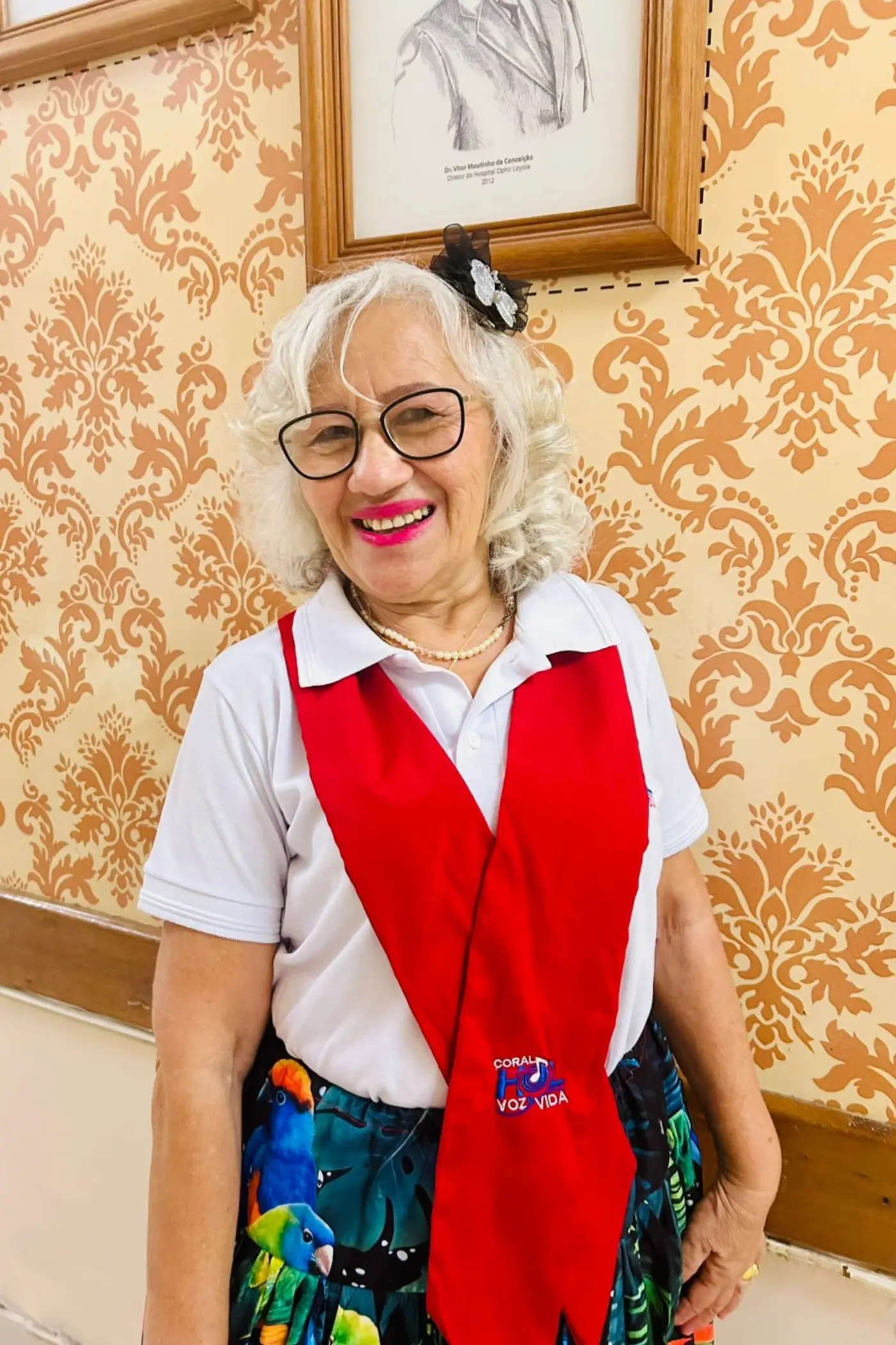
For Silvana, the reconstruction of self-esteem is an important step in the recovery process. "When we lose our hair, it is a very big impact. But when you put on a wig or a scarf, and look in the mirror, you think: 'I am still beautiful.' This renews the joy and confidence to continue treatment. This care for self-esteem is very important for us women," she states.
Music and well-being - Activities that promote well-being and integration are also part of the humanization process at the hospital. Maria Rita also participates in the choir Voz e Vida, formed by patients and staff, and emphasizes that "the choir brings joy, strength, and faith to all of us. It changed my life, and I say it is also part of my healing. Today, I am very grateful to the hospital for everything I experienced here."
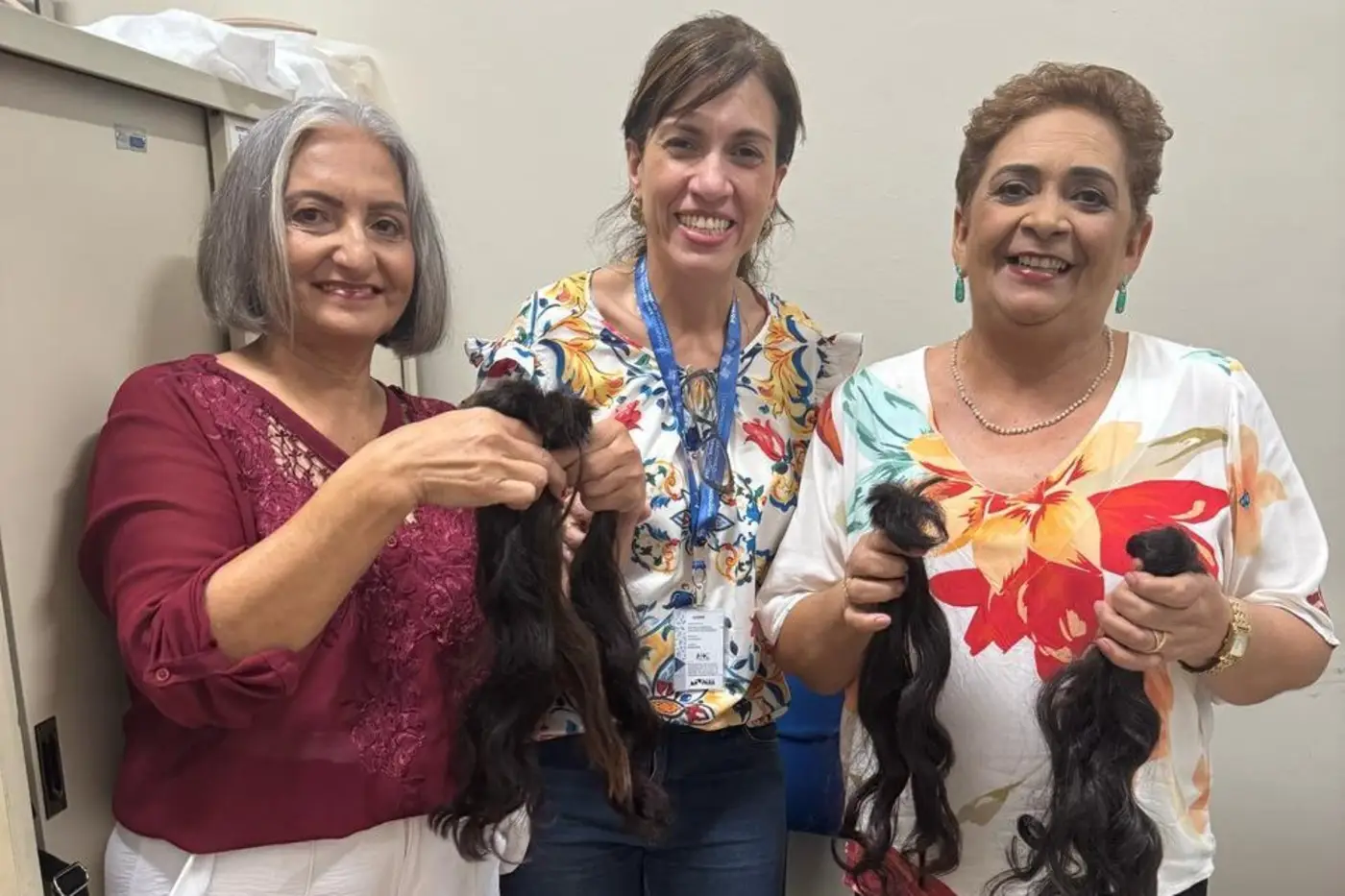
According to the Humanization Coordinator of HOL, Michelle Azevedo, the actions developed aim to emotionally strengthen patients, contributing to them facing treatment with more confidence. "Humanization actions significantly strengthen self-esteem, helping to value the new physical and emotional condition of patients. They seek emotional balance and overcoming, reconstructing identity beyond the clinical condition," emphasized the coordinator.
According to Michelle Azevedo, although dates like International Women's Day increase visibility on the subject, humanized care is a permanent practice within the institution. "Continuous hospital care is built through collective processes that integrate the National Humanization Policy in health services. This perspective considers not only the disease but also the history, subjectivity, and autonomy of each patient," she highlighted.
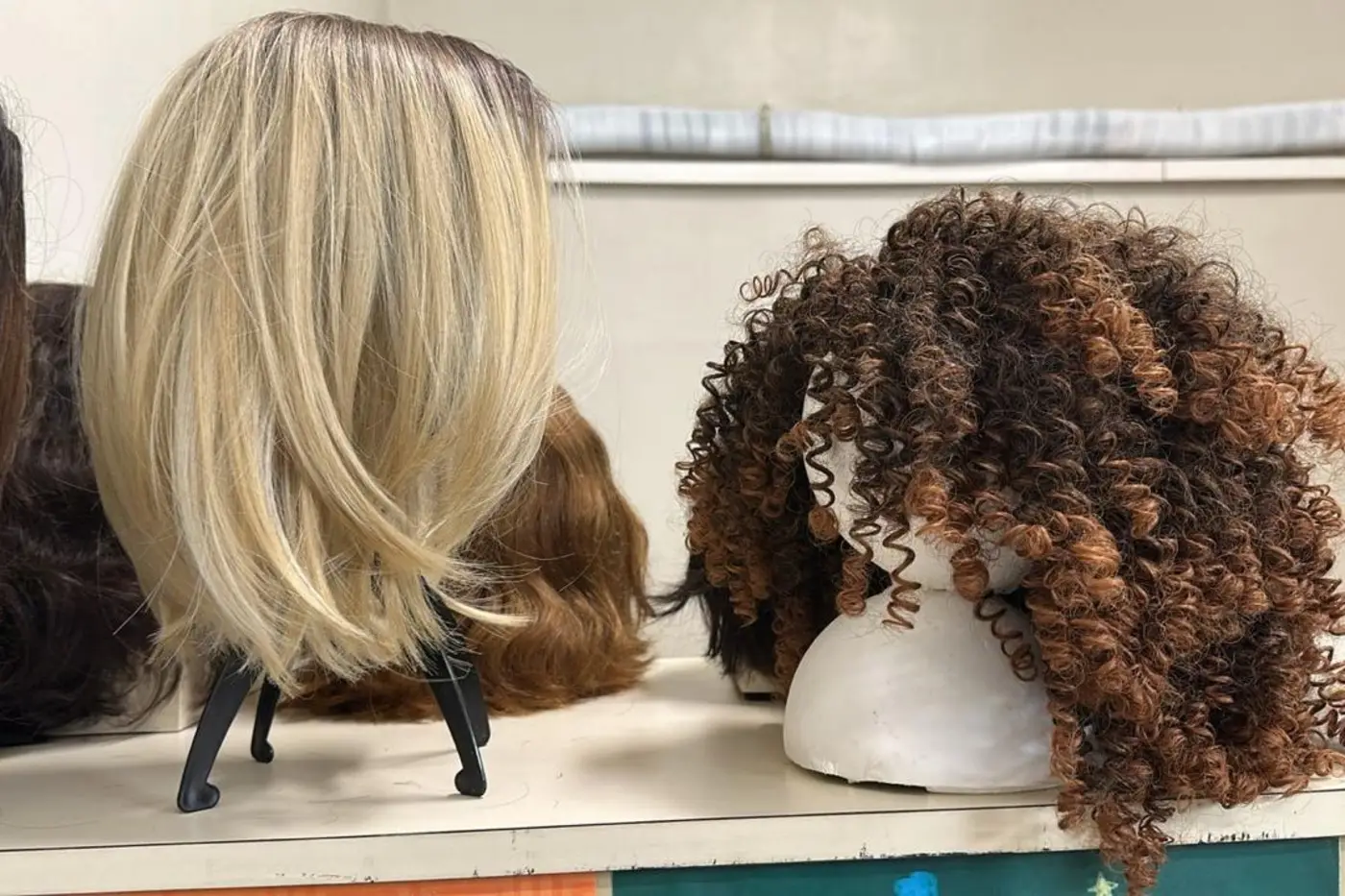
Initiatives focused on support, care, and strengthening self-esteem reinforce HOL's commitment to assistance that goes beyond clinical treatment. The humanization actions have the support of the institution's board, which encourages and ensures the necessary conditions for patients to be treated with dignity, respect, and sensitivity throughout all stages of treatment.
Text: Vinicius Campos, intern - Ascom/HOL